
The invisible layer that keeps railway operations moving
Every day, railway organisations are expected to deliver safe, reliable and efficient services. What makes that possible is no longer just infrastructure and rolling stock, but an increasingly complex digital foundation that supports everything from operations and security to collaboration and decision-making. As technology becomes more critical to the railway, how do you modernise, secure and optimise that foundation without disrupting the services that depend on it? Discover our insights.
E-BOOK
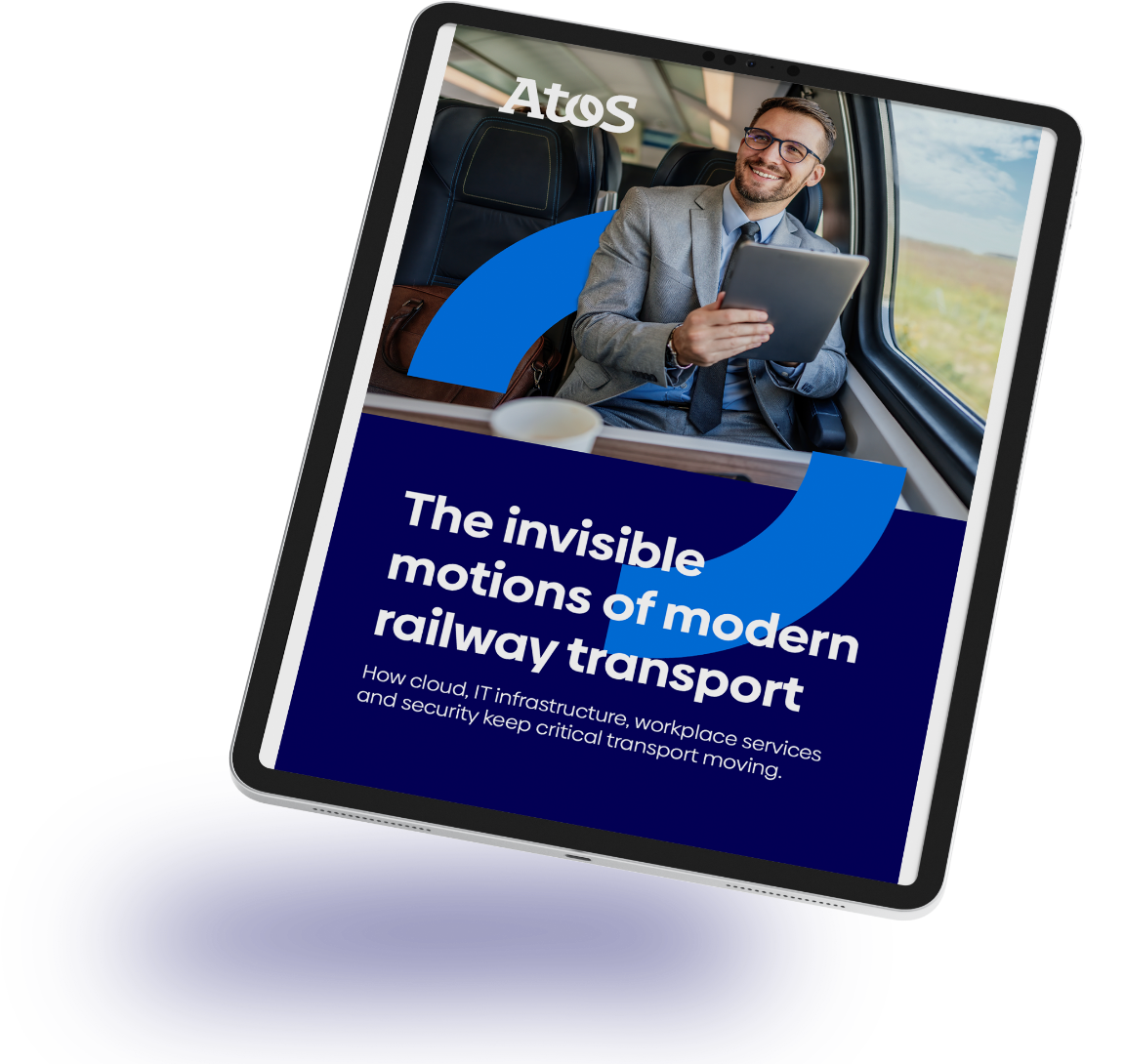
The invisible motions of modern railway transport
Behind every journey runs a layer passengers never see: cloud platforms, signalling and passenger data, staff applications and cyber-security. Operations depend on it every single day. This ebook explores four key challenges shaping that foundation: modernisation, cyber resilience, data sovereignty and AI, and how railway organisations can address them without compromising continuity, security or control.
Infographic
The five building blocks of a modern railway
Behind every journey is a digital backbone that keeps railway operations secure, resilient and reliable. Our infographic brings together the five essential elements that make it work.
Press release
Atos Sovereign Cloud: designed and engineered in the EU
In July 2026, Atos launched Atos Sovereign Cloud, a modernisation platform designed for governments, critical infrastructure operators and other regulated organisations. Hosted, operated and contracted entirely within the EU, it enables organisations to modernise critical applications while maintaining full control over their data, operations and IT supply chain.
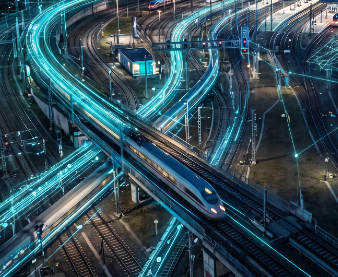
Why an SOC is essential for modern railways
A railway depends on continuous operations, which means it also depends on continuous security. That is the role of the Security Operations Centre (SOC): monitoring threats around the clock, detecting suspicious activity and responding before incidents can disrupt operations. As rail networks become more connected and threats more complex, the SOC has become one of the most important parts of a railway’s cyber resilience. It is also where AI can make the biggest difference.
Why the IT-OT boundary is a critical security risk for railways
Many railway organisations depend on ageing systems that are difficult to replace. They are expensive to maintain, difficult to secure and increasingly hard to integrate with modern technology. Modernising them is not simply a technical challenge. Changes must be introduced without disrupting critical operations. The real challenge isn’t deciding whether to modernise gradually, but how to manage each stage: how much to move at once, what to monitor afterwards and when to pause or roll back.
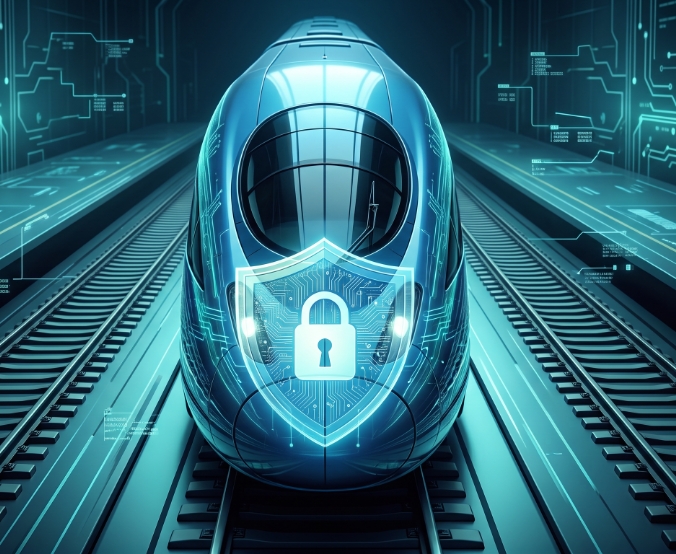
When patching is not an option: NIS2 compliance in rail
In most IT environments, a critical vulnerability triggers a familiar response: patch the system, update the software and restore normal operations. In rail, that is often not possible. Many of the systems NIS2 aims to protect cannot simply be patched, updated or taken offline. And while the directive asks every essential organisation to manage cyber risks, report incidents quickly and strengthen accountability at board level, meeting those requirements in a railway is far more complex than on paper. That is where compliance stops being a checklist and becomes an operational challenge.

How AIOps helps railways turn alert noise into early action
Modern railways generate thousands of alerts every day. Hidden somewhere in that constant stream is the one warning that could prevent disruption, but finding it is becoming impossible for humans alone. That is where AIOps comes in. By applying AI to IT operations, it filters the noise, connects related events and helps teams spot problems before they become incidents.

Why workplace services are part of railway operations
Workplace services are often treated as a back-office IT function, measured through tickets, response times and satisfaction scores. In a railway environment, that view misses something important. When a train is delayed, a passenger information system fails or an operational application becomes unavailable, the people resolving the issue rely on those same laptops, applications and support services. The faster they can access the right tools, the faster they can respond.
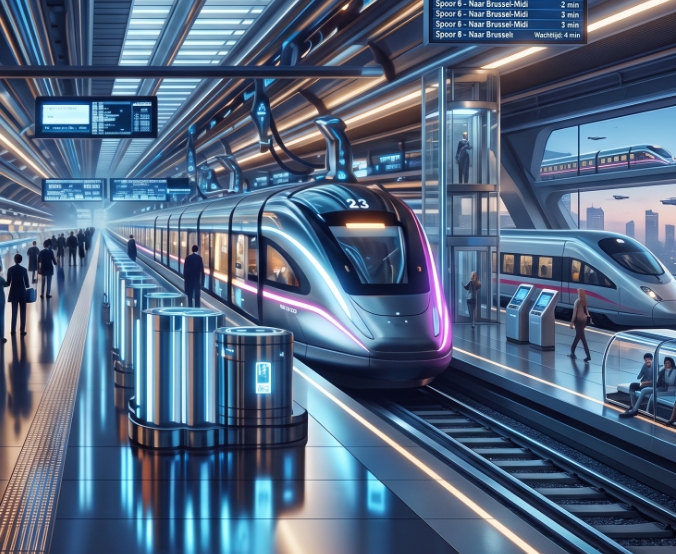
How to modernise rail infrastructure without stopping the trains
Many railway organisations depend on ageing systems that are difficult to replace. They are expensive to maintain, difficult to secure and increasingly hard to integrate with modern technology. Modernising them is not simply a technical challenge. Changes must be introduced without disrupting critical operations. The real challenge isn’t deciding whether to modernise gradually, but how to manage each stage: how much to move at once, what to monitor afterwards and when to pause or roll back.
Refcase
How Talgo and Atos reinvented train maintenance
Train manufacturer Talgo moved from calendar-based maintenance to trains that flag their own faults, working with Atos to monitor its high-speed fleet in real time and act before problems reach the track.
Keeping the railway moving starts behind the scenes
Modern railway operations run on technology that never stops evolving. Keeping it secure, resilient and future-ready takes more than new tools or one-off projects. It takes a partner who has done it before. Atos brings more than thirty years of experience in railway and critical infrastructure. As a long-term partner we don’t just help railways modernise, but take responsibility for operating, securing and improving the systems that keep services running. That means end-to-end capability across cloud, workplace, security and AI, and a European foundation where sovereignty is built in, not bolted on.